Guides · Stuart, Florida
What Has Changed in Stuart, Florida: A Water Town's Evolution
Stuart stopped being a railroad stop a long time ago. The name, the census data, and a boat show that has outlasted decades of Florida trends all point the same way: this is a town that chose the water.
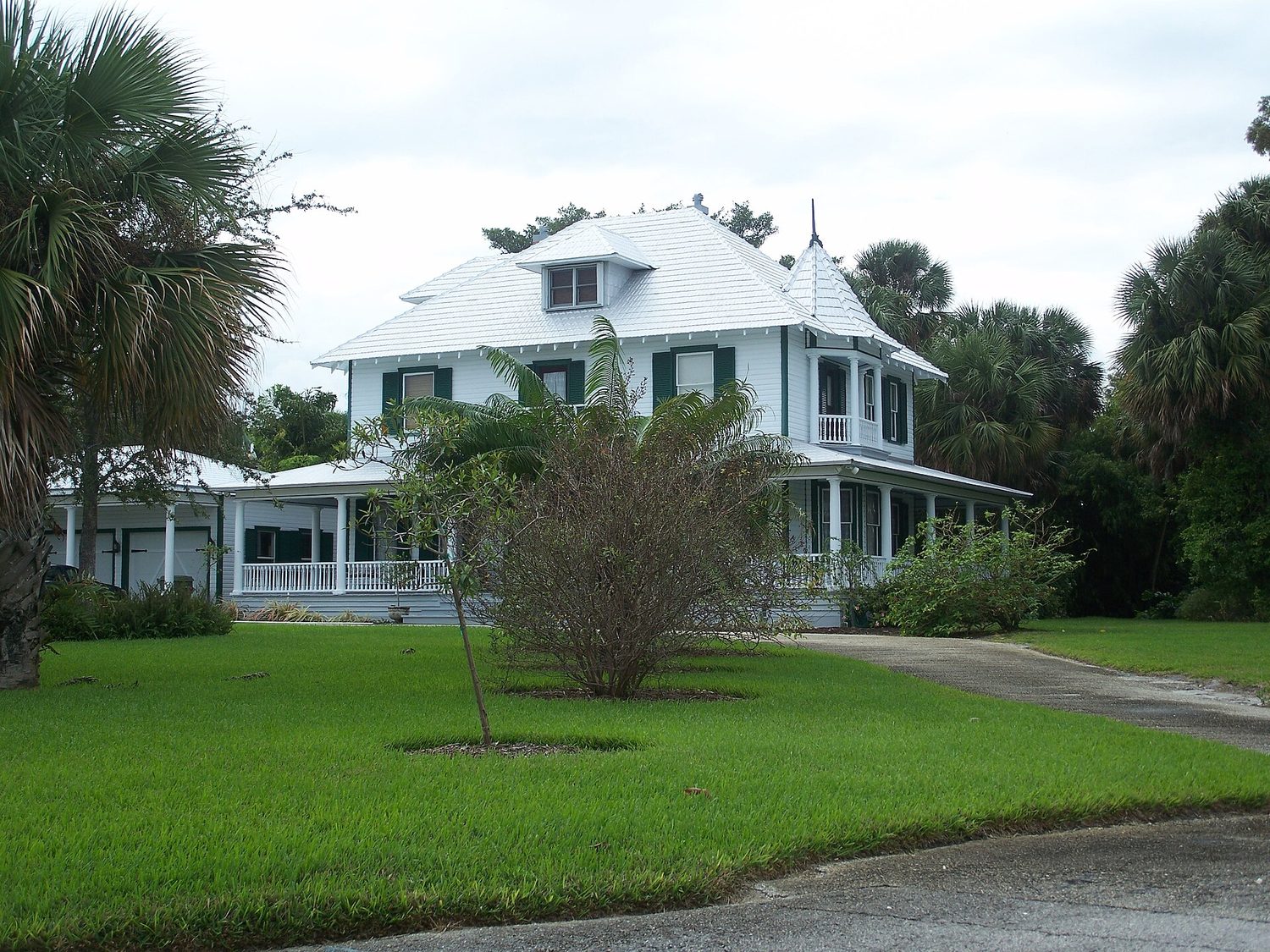
How Stuart Got Its Name and Its Sailfish Capital Identity
The town was known as Potsdam from 1893, but that name did not survive contact with the railroad. Renamed in 1895 for Homer Hine Stuart Jr., a local landowner who held 160 acres around the railway station, the town incorporated in 1914 and was chartered as a city in 1925, when it became the seat of the newly created Martin County. The Florida East Coast Railway arrived between 1892 and 1896 and made the town; the water did the rest, at the meeting of the St. Lucie River, the Indian River Lagoon and the Atlantic.
The land-based identity faded quickly. By 1957, Stuart formally adopted the slogan Sailfish Capital of the World. The name change from Potsdam to Stuart was about a man and his land; the slogan was about what surrounded him.
Stuart's Seasonal Housing Market: Key Census Numbers
The census data tells the story more honestly than any brochure. Of the 10,360 total housing units in Stuart, 1,297 are held for seasonal or recreational use — that is 12.5 percent of the housing stock. Add the 2,165 vacant units, and 20.9 percent of the town's homes are not occupied by year-round residents at any given time.
The median age is 53.1 years, well above the national figure. This is a town that swells and contracts with the seasons, and the housing stock is built for that rhythm. The empty units are not a sign of decline; they are the town holding its breath between waves of visitors.
The Stuart Boat Show: 53 Years of Waterfront Commitment
The Stuart Boat Show runs for three days on NW Dixie Highway each January. The 2027 edition is the 53rd, meaning it has been running for more than fifty years, and the Southeast Tourism Society has named it one of the Top 20 Events in the Southeast.
That longevity is the point. A community does not sustain a boat show for five decades unless the water economy is a genuine civic commitment, not a trend. The show is not a recent attempt to cash in on waterfront appeal; it is the public face of an identity Stuart adopted formally in 1957 and has never abandoned.
Downtown Stuart: The Lyric Theatre and Its Historic Grid
The Lyric Theatre sits in the historic downtown, a marker of continuity in a town that has otherwise adapted to serve both residents and the seasonal influx. The surrounding blocks have changed uses over the decades, but the theater remains a fixed point.
The downtown grid itself is a reminder of the town's origins. It was built around the railway station and the 160 acres that gave Stuart its name. The railroad is long gone from daily life, but the streets it shaped still define the center of town.
Living in Stuart vs. Visiting: The Two Sides of the Town
The economics of Stuart reveal a town split between those who live here year-round and those who come for the season. The median household income is $64,409, and the median home value is $291,300. The median gross rent is $1,540.
Those figures do not tell a simple story. The home values suggest a market shaped by demand from buyers who are not necessarily working in the local economy — the seasonal and recreational units are 12.5 percent of the housing stock, after all. The rents, meanwhile, are high enough to strain a household earning the median income. A family at $64,409 can afford a $1,540 rent under the standard 30-percent rule, but just barely, and buying a home at the median value requires a down payment that is out of reach for many.
| Indicator | Value |
|---|---|
| Median household income | $64,409 |
| Median home value | $291,300 |
| Median gross rent | $1,540 |
| Seasonal/recreational housing units | 1,297 (12.5%) |
| Vacant housing units | 2,165 (20.9%) |
The Next Change: Who Moves Here Now?
The workforce is shifting. Some 35.8 percent of Stuart's residents hold a bachelor's degree or higher, and the unemployment rate stands at 5.1 percent. That is not the profile of a town that relies solely on seasonal service work. The educated workforce suggests new arrivals are bringing skills that do not depend on the tourist calendar.
The question is whether the water will continue to define Stuart's next chapter. The population of 18,058 people is small enough to change character quickly if the economics shift. The median age of 53.1 years suggests a town that appeals to retirees and second-home buyers, but the education numbers hint at a younger, more permanent influx.
Stuart has already reinvented itself once, from Potsdam to the Sailfish Capital. The railroad that gave the town its start is gone, but the water that replaced it is not going anywhere. The next change will be about who gets to live here — and whether the seasonal rhythm can accommodate a growing permanent population.
Common questions
- Why is Stuart called the Sailfish Capital of the World?
- Stuart formally adopted the slogan Sailfish Capital of the World in 1957. The title reflects the rich fishing waters where the St. Lucie River meets the Indian River Lagoon and the Atlantic, making it a prime spot for sailfish.
- How did Stuart get its name?
- The town was known as Potsdam from 1893, then renamed Stuart in 1895 for Homer Hine Stuart Jr., a local landowner who held 160 acres around the railway station. It incorporated in 1914 and became a city in 1925.
- What's the population and median age in Stuart?
- Stuart's population is 18,058 people, with a median age of 53.1 years. This reflects a mature community, with 35.8% holding a bachelor's degree or higher and a median household income of $64,409.
- When is the Stuart Boat Show and how long has it run?
- The Stuart Boat Show happens each January on NW Dixie Highway, running for over 50 years—the 2027 edition is the 53rd. It's named one of the Top 20 Events in the Southeast by the Southeast Tourism Society.
- What's the housing market like in Stuart?
- Stuart has 10,360 total housing units, with a median home value of $291,300 and median gross rent of $1,540. About 1,297 units are for seasonal or recreational use, and 2,165 are vacant, reflecting its coastal appeal.
- What historic sites are in downtown Stuart?
- The Lyric Theatre is a key historic landmark in Stuart's downtown. The town's history is tied to the Florida East Coast Railway, which arrived between 1892 and 1896, and the waters where the St. Lucie River meets the Indian River Lagoon.
Every business named above is one we hold a listing for, and every date traces to a source on our sources page. We do not describe menus, interiors or service we have not verified. Details change — confirm before you travel.