Guides · Stuart, Florida
How Rail and Water Built Stuart, Florida
Stuart’s identity was set not by its founding families but by the convergence of rail and water. That fact still shapes its economy, demographics, and seasonal rhythm today.
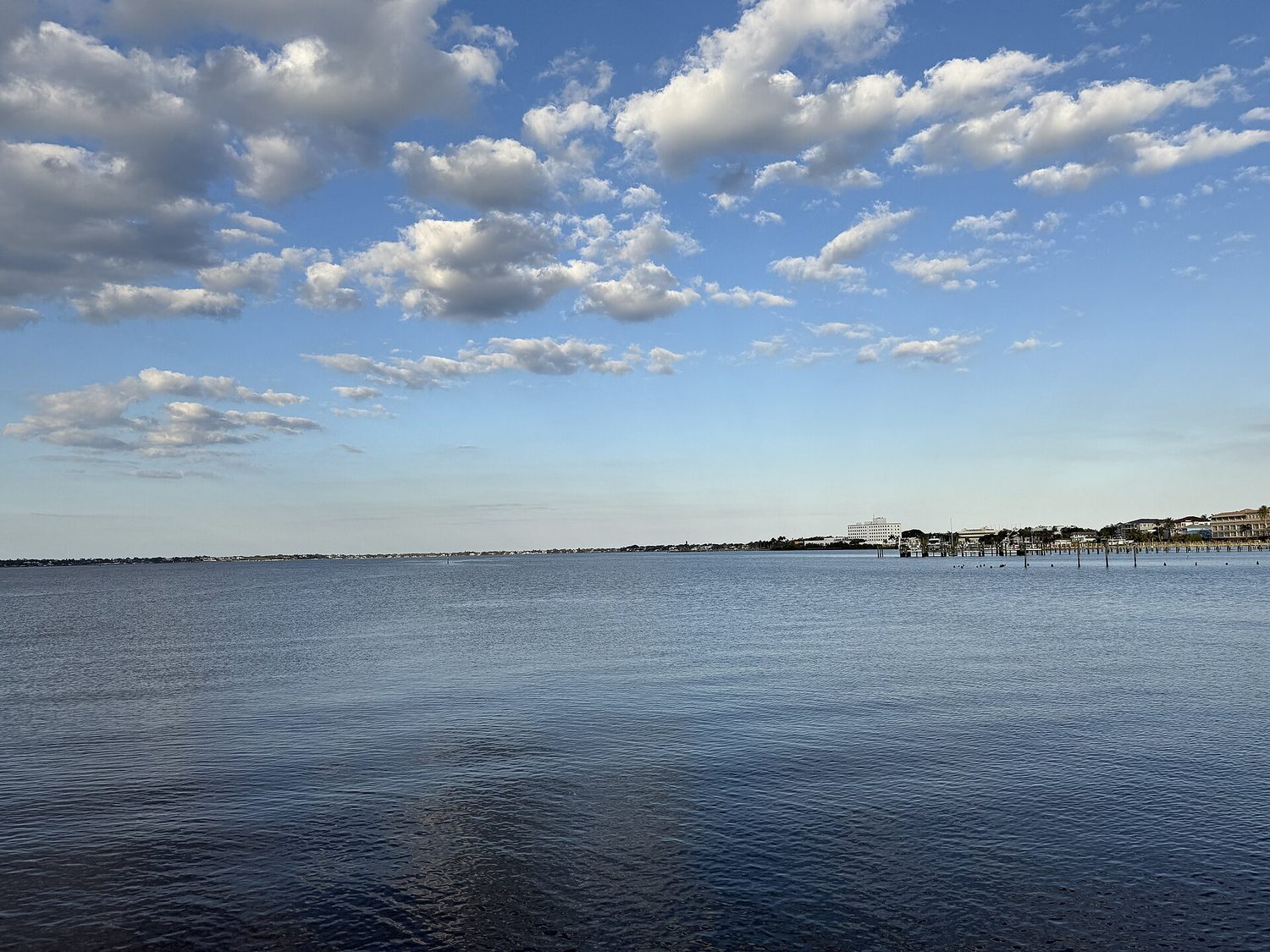
From Potsdam to Stuart: How the Town Got Its Name
Before it was Stuart, the town was Potsdam. It carried that name from 1893. The label lasted only two years. In 1895, the town was renamed for Homer Hine Stuart Jr., a local landowner who held 160 acres around the railway station. The renaming was less a tribute to a founding father and more a practical acknowledgment of who controlled the land the railroad needed. The Florida East Coast Railway arrived between 1892 and 1896, and it made the town. The water did the rest, at the meeting of the St. Lucie River, the Indian River Lagoon and the Atlantic. The name stuck because the infrastructure did.
The Florida East Coast Railway's Role in Stuart's Growth
The Florida East Coast Railway’s arrival between 1892 and 1896 turned a scattered settlement into a depot town. It connected Stuart to the rest of the state, moving goods and people through a region otherwise reachable only by water. The station anchored the economy; Homer Hine Stuart Jr.’s 160 acres became the practical center of that activity. The railroad’s presence meant Stuart was not just another riverfront outpost—it was a stop on a line that mattered. That rail link set the stage for everything that followed, from incorporation to maritime commerce.
Why Stuart's Waters Made It a Boating Hub
The railway brought people and freight, but the water gave Stuart its reason to exist. The St. Lucie River meets the Indian River Lagoon here, and both connect to the Atlantic. That geography made the town a natural hub for fishing, boating, and the maritime trades. By the mid-20th century, that identity was formalized. Stuart formally adopted the slogan Sailfish Capital of the World in 1957. The name was not a marketing invention—it reflected the waters that made the town a destination for sportfishing. The rail built the town; the water built its reputation.
Stuart's Incorporation and Rise as Martin County Seat
The town incorporated in 1914, a modest step that gave it legal standing. The bigger change came in 1925, when Stuart was chartered as a city and became the seat of the newly created Martin County. That political role cemented its position as the region’s center of gravity. Being the county seat meant government offices, courts, and administrative jobs—an economic layer beyond fishing and rail. The 1925 charter locked in Stuart’s status as the place where decisions were made, not just a stop along the tracks.
Stuart's Demographics: An Older, Seasonal Community
The current census data shows a population of 18,058 people, with a median age of 53.1 years. That is an older population, and the housing numbers back it up. Of 10,360 total housing units, 1,297 are held for seasonal or recreational use—about 12.5 percent. Vacant units number 2,165, suggesting a market that turns over with the seasons. Median home value sits at $291,300, with a median gross rent of $1,540. Median household income is $64,409, and 35.8 percent of residents hold a bachelor’s degree or higher. The unemployment rate is 5.1 percent. These figures describe a town that is relatively affluent, educated, and tilted toward older residents and part-time homeowners. The seasonal rhythm is built into the housing stock, not just the calendar.
The Stuart Boat Show: A 50-Year Maritime Tradition
The link between water and commerce is not a historical footnote. The Stuart Boat Show runs three days on NW Dixie Highway each January, and it has been doing so for more than fifty years. The 2027 edition is the 53rd, and the Southeast Tourism Society has named it one of the Top 20 Events in the Southeast. The show is not a small local gathering—it is a regional draw that reinforces Stuart’s maritime economy every year. The boats change, but the relationship between the town and the water does not.
| Town (distance from Stuart) | Signature Event and Focus |
|---|---|
| Okeechobee (41 miles) | Speckled Perch Festival and Parade, celebrating inland freshwater fishing |
| Sebastian (44 miles) | Sebastian Clambake Lagoon Festival, a coastal food-and-water event |
| Arcadia (111 miles) | Arcadia All-Florida Championship Rodeo, centered on ranching and western heritage |
| Oviedo (120 miles) | Great Day in the Country, a civic celebration with a rural focus |
| Everglades City (121 miles) | Everglades Seafood Festival, tied to the region’s fishing and gulf identity |
| Altamonte Springs (129 miles) | Red Hot & Boom, a July 4th fireworks and music event |
The industry that built Stuart was never just one thing. The railway gave it a reason to exist; the water gave it a purpose. The 1925 charter and county seat status gave it permanence. Today, the demographics show a town that has become a destination for those who can afford the water—seasonal, older, and stable. The Stuart Boat Show proves the maritime economy is still the main event. Rail built the town; water made it matter.
Common questions
- Why is Stuart called the Sailfish Capital of the World?
- Stuart formally adopted the slogan Sailfish Capital of the World in 1957. The title reflects the rich fishing waters where the St. Lucie River meets the Indian River Lagoon and the Atlantic, which made the town a renowned sportfishing destination.
- How did Stuart get its name?
- The town was known as Potsdam from 1893, then renamed Stuart in 1895 for Homer Hine Stuart Jr., a local landowner who held 160 acres around the railway station. It was incorporated in 1914 and chartered as a city in 1925.
- What role did the railroad play in Stuart's history?
- The Florida East Coast Railway arrived between 1892 and 1896 and made the town. The railway connected Stuart to the region, and the water—where the St. Lucie River, Indian River Lagoon and Atlantic meet—did the rest, driving growth and industry.
- When did Stuart become the seat of Martin County?
- Stuart was chartered as a city in 1925, the same year it became the seat of the newly created Martin County. This solidified its role as a regional hub in Florida.
- What is the Stuart Boat Show and how long has it been running?
- The Stuart Boat Show is a three-day event held on NW Dixie Highway each January. It has run for more than fifty years—the 2027 edition is the 53rd—and has been named one of the Top 20 Events in the Southeast by the Southeast Tourism Society.
- What is Stuart's population and demographic profile?
- Stuart has a population of 18,058 people, with a median age of 53.1 years. About 35.8 percent of residents hold a bachelor's degree or higher, and the median household income is $64,409. The median home value is $291,300.
Every business named above is one we hold a listing for, and every date traces to a source on our sources page. We do not describe menus, interiors or service we have not verified. Details change — confirm before you travel.