Guides · Stuart, Florida
Reading the Buildings of Stuart, Florida: A History
Stuart's streets don't hide its history; they display it. From the 1893 plat drawn as Potsdam to the railway corridor that still anchors the original grid, this is a town where the built environment is a readable timeline of Florida's coastal development.
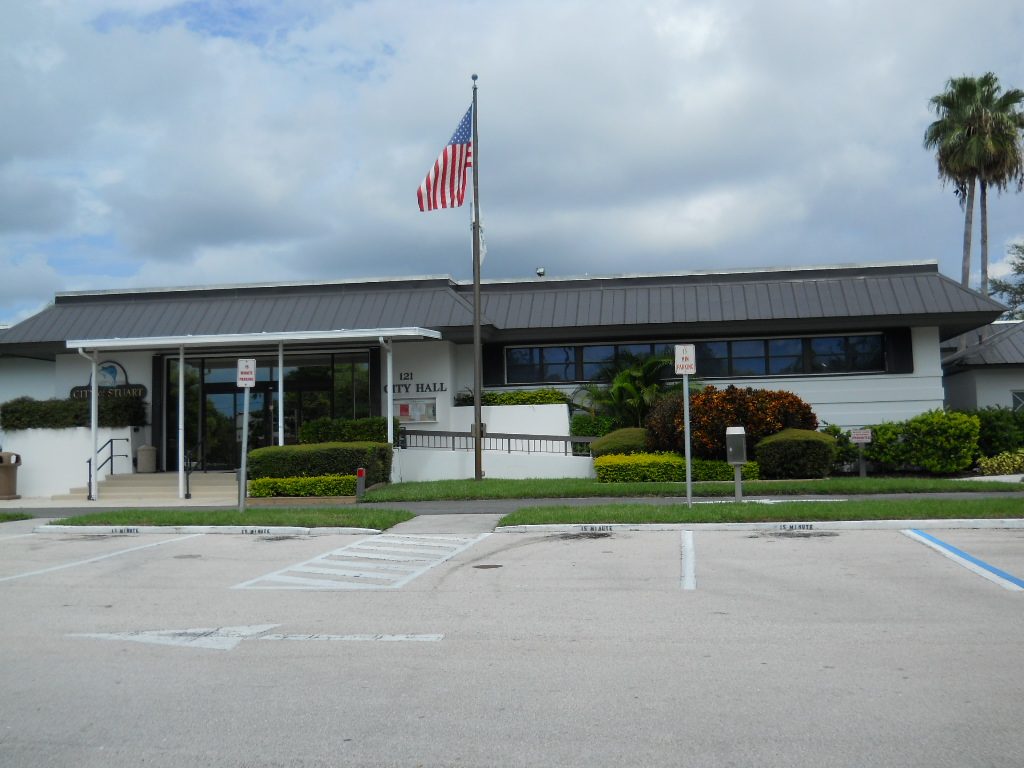
How Stuart Got Its Name: From Potsdam to Homer's Town
The town that would become Stuart first appeared on maps as Potsdam in 1893. The name didn't stick. In 1895, the settlement was renamed for Homer Hine Stuart Jr., a local landowner who held 160 acres around the railway station. That acreage, anchored by the tracks, became the town's physical and commercial core. Incorporation followed in 1914, and in 1925 Stuart was chartered as a city when it became the seat of the newly created Martin County. The name change from Potsdam to Stuart wasn't a civic rebranding; it was a recognition of who actually controlled the land that mattered.
The Florida East Coast Railway: How Trains Shaped Stuart's Layout
The Florida East Coast Railway arrived between 1892 and 1896, and it made the town. Before the tracks, this was a quiet settlement at a river bend; after, it was a hub for moving people and goods through the region. The rail corridor didn't just bring commerce—it dictated the town's layout. The original streets still align with the tracks, and the area around the old station remains the densest part of the historic downtown. Even today, the FEC line is the spine of Stuart's grid, a constant reminder that the town was built on freight and passengers, not just sunshine.
Stuart's Waterways: The Confluence That Built a Fishing Capital
The water did the rest. Stuart sits where the St. Lucie River meets the Indian River Lagoon, which opens to the Atlantic. That confluence created a natural crossroads for fishing and boating, and it defined the town's economy for decades. By 1957, Stuart had formally adopted the slogan Sailfish Capital of the World, a claim rooted in the waters right outside its docks. The geography isn't incidental; it's the reason the railroad stopped here in the first place.
Historic Downtown Stuart: The Lyric Theatre and Its Neighbors
The Lyric Theatre stands as the anchor of the historic downtown, a structure that has weathered the town's shifts from railroad stop to fishing hub to modern waterfront city. The buildings around it—storefronts, offices, municipal structures—reflect the early 20th-century growth that followed the 1925 city charter. This isn't a preserved museum district; it's a working downtown where the architectural fabric has been maintained because it remains useful. The Lyric tells you that Stuart grew up in a specific era and chose to keep the evidence.
Stuart's Demographics: A Snapshot of Residents and Housing
The census data shows a town that has aged along with its buildings. The median age is 53.1 years, and 35.8 percent of residents hold a bachelor's degree or higher. The median household income is $64,409, with a median home value of $291,300 and a median gross rent of $1,540. Of the 10,360 total housing units, 1,297 are held for seasonal or recreational use—about 12.5 percent—while 2,165 sit vacant. The unemployment rate is 5.1 percent. These numbers describe a community with significant waterfront wealth, a retired or semi-retired population, and a housing stock that serves both year-round residents and those who come for the seasons.
The Stuart Boat Show: A 50-Year Tradition on the Waterfront
The Stuart Boat Show ties the town's maritime history to its present. Held each January on NW Dixie Highway, it has run for more than fifty years—the 2027 edition is the 53rd—and has been named one of the Top 20 Events in the Southeast by the Southeast Tourism Society. The show isn't just an event; it's a continuation of the waterfront economy that built the town. The docks, the show grounds, and the surrounding marine infrastructure are the modern expression of the same water junction that brought the railroad here in the 1890s.
Stuart's Timeline at a Glance
| Year | Milestone |
|---|---|
| 1893 | Known as Potsdam |
| 1895 | Renamed for Homer Hine Stuart Jr. |
| 1892–1896 | Florida East Coast Railway arrives |
| 1914 | Incorporated as a town |
| 1925 | Chartered as a city; becomes Martin County seat |
| 1957 | Adopts "Sailfish Capital of the World" slogan |
| 2027 | 53rd annual Stuart Boat Show |
The town's history is legible in its layout, its structures, and its annual rituals. The railroad brought it into being, the water gave it purpose, and the buildings preserve the evidence of both. Stuart doesn't need to advertise its past; it's written into the streets.
Common questions
- Why is Stuart called the Sailfish Capital of the World?
- Stuart formally adopted the slogan Sailfish Capital of the World in 1957. The title reflects the rich fishing waters where the St. Lucie River meets the Indian River Lagoon and the Atlantic, which have long drawn anglers to this coastal town.
- When was Stuart founded and how did it get its name?
- The town was known as Potsdam from 1893, then renamed Stuart in 1895 for Homer Hine Stuart Jr., a local landowner who held 160 acres around the railway station. It was incorporated in 1914 and chartered as a city in 1925 when it became the seat of Martin County.
- What is the Stuart Boat Show and when does it happen?
- The Stuart Boat Show is a three-day event held each January on NW Dixie Highway. Running for more than fifty years, the 2027 edition is the 53rd. It's been named one of the Top 20 Events in the Southeast by the Southeast Tourism Society.
- What are the demographics of Stuart?
- Stuart has a population of 18,058 people with a median age of 53.1 years. Median household income is $64,409, and 35.8 percent of residents hold a bachelor's degree or higher. The unemployment rate is 5.1 percent.
- What is the housing market like in Stuart?
- There are 10,360 total housing units in Stuart. Median home value is $291,300, and median gross rent is $1,540. About 1,297 units are held for seasonal or recreational use, and 2,165 units are vacant.
- What historic buildings can I see in downtown Stuart?
- The Lyric Theatre is a key historic landmark in Stuart's downtown. The town's buildings reflect its growth after the Florida East Coast Railway arrived between 1892 and 1896, with the water at the meeting of the St. Lucie River and Indian River Lagoon shaping its character.
Every business named above is one we hold a listing for, and every date traces to a source on our sources page. We do not describe menus, interiors or service we have not verified. Details change — confirm before you travel.