Guides · Stuart, Florida
Wintering in Stuart, FL: A Local's Guide to the Season
Stuart's winter identity is built on a working waterfront and a year-round local economy, not on seasonal tourism. The water is your neighbor, not your host.
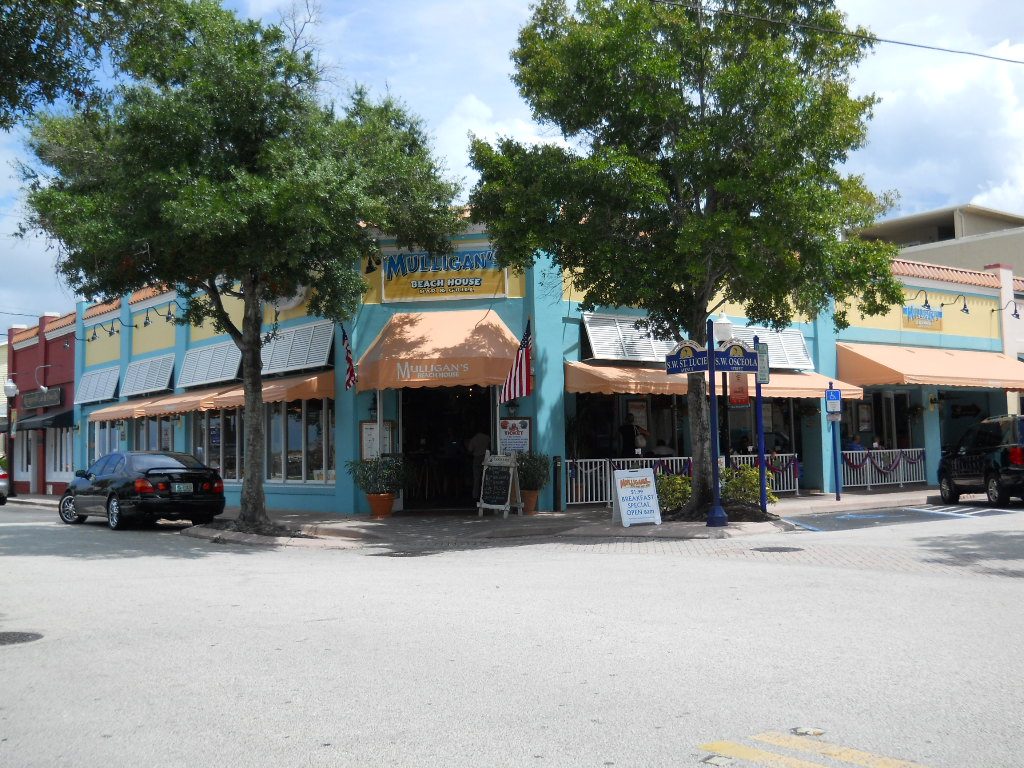
How Stuart's Waterways Shaped Its Identity
The geography is the whole story. The Florida East Coast Railway arrived between 1892 and 1896 and made the town possible, but the water did the rest. The St. Lucie River, the Indian River Lagoon, and the Atlantic meet inside Stuart's limits, and that confluence defined the economy before the first snowbird ever booked a rental. From the railway era through today, the channel has moved freight, fish, and people. The town was known as Potsdam from 1893, renamed Stuart in 1895 for Homer Hine Stuart Jr., a local landowner who held 160 acres around the railway station, incorporated in 1914, and chartered as a city in 1925 when it became the seat of the newly created Martin County. The water was the reason for all of it.
Why Stuart Is the Sailfish Capital, Not a Tourist Trap
Stuart formally adopted the slogan Sailfish Capital of the World in 1957, and it was a statement of fact, not marketing. Winter is peak fishing season here. The sailfish run draws anglers when the water cools, and the town's maritime culture predates and outlasts any seasonal visitor. The Stuart Boat Show, three days on NW Dixie Highway each January, has run for more than fifty years—the 2027 edition is the 53rd—and has been named one of the Top 20 Events in the Southeast by the Southeast Tourism Society. That longevity is the point: the boat show is a working-industry event that happens to attract crowds, not a tourist festival that happens to involve boats.
Winter in Stuart: Crowds, Boats, and a Local Calendar
The winter rhythm is real but contained. The boat show anchors January, and the seasonal influx is measurable—1,297 housing units are held for seasonal or recreational use out of 10,360 total units. That is roughly one in eight homes, enough to change the feel of the waterfront but not enough to turn the town into a resort. The permanent population of 18,058 people has a median age of 53.1 years, so winter visitors are not arriving as pioneers; they are arriving to a town that already skews toward their demographic. The boat show and the seasonal layer shape the calendar, but the working waterfront—shrimp boats and pleasure craft sharing the same channel—keeps the town grounded.
Stuart's Winter Population by the Numbers
The census data tells a story of a permanent core with a seasonal layer. Median household income is $64,409, and 35.8 percent of residents hold a bachelor's degree or higher. The unemployment rate is 5.1 percent, a sign of a functioning local economy rather than a service-only town. For those considering a purchase, the median home value is $291,300. Renters face a median gross rent of $1,540. The vacancy rate—2,165 units—reflects both the seasonal market and the turnover that comes with a waterfront town.
| Town | Distance from Stuart | Median Home Value |
|---|---|---|
| Stuart | — | $291,300 |
| Okeechobee | 41 miles | — |
| Sebastian | 44 miles | — |
| Arcadia | 111 miles | — |
| Oviedo | 120 miles | — |
| Everglades City | 121 miles | — |
| Altamonte Springs | 129 miles | — |
The seasonal layer is not a hostile one. With a median age over 53, the town is used to newcomers who are not starting careers but starting winters. You will not feel like an outsider; you will feel like the latest version of a familiar arrival.
Beyond the Water: Stuart's Downtown and the Lyric Theatre
When the wind is up or the fishing is slow, the historic downtown offers a cultural counterpoint. The Lyric Theatre anchors the district, hosting performances through the winter season. It is not a substitute for the water—nothing in Stuart is—but it gives winter residents a reason to be indoors. The downtown is walkable, and the proximity of the river means even a non-boating day can include a waterfront view. For a town of 18,000 people, the cultural calendar is denser than the population would suggest, a benefit of being a county seat and a winter destination at once.
Day Trips for the Winter-Weary
Even the most devoted water lover occasionally wants a change of scenery, and Stuart's position on the southeast coast puts several distinct towns within a couple of hours' drive. Okeechobee, 41 miles away, hosts the Speckled Perch Festival and Parade. Sebastian, 44 miles north, runs the Sebastian Clambake Lagoon Festival. Further afield, Arcadia hosts the All-Florida Championship Rodeo at 111 miles, Oviedo celebrates the Great Day in the Country at 120 miles, Everglades City holds the Everglades Seafood Festival at 121 miles, and Altamonte Springs marks Independence Day with Red Hot & Boom at 129 miles. Each offers a different flavor of Florida, and none requires an overnight stay.
So, is Stuart actually a good place to spend the winter, or is it just a tourist trap? The evidence points to the former. The town was built on the water and the railway, not on souvenir shops. The boat show has outlived decades of Florida tourism trends because it serves an industry, not a fantasy. The seasonal housing stock is real but not dominant, and the permanent population is old enough to be welcoming but young enough to keep the town functioning year-round. Wintering in Stuart means joining a working waterfront town for a season, not renting a piece of a theme park. The water is the draw, but it is also the livelihood—and that distinction makes all the difference.
Common questions
- What is Stuart known for?
- Stuart is known as the Sailfish Capital of the World, a title it adopted in 1957. It sits where the St. Lucie River meets the Indian River Lagoon and the Atlantic, making it a prime spot for fishing and boating. The historic Lyric Theatre anchors its downtown.
- When was Stuart founded?
- The town was called Potsdam from 1893, renamed Stuart in 1895 for Homer Hine Stuart Jr., incorporated in 1914, and chartered as a city in 1925 when it became the seat of Martin County. The Florida East Coast Railway arrived between 1892 and 1896, spurring its growth.
- Is Stuart a good place to retire?
- With a median age of 53.1 years, Stuart skews older. Median home value is $291,300 and median gross rent is $1,540. About 12.5% of housing units are held for seasonal or recreational use, indicating a strong winter resident community.
- What is there to do in Stuart in January?
- The Stuart Boat Show runs three days on NW Dixie Highway each January, now in its 53rd edition (2027) and named a Top 20 Event in the Southeast. It's a major draw for boaters and visitors. The St. Lucie River and Indian River Lagoon offer year-round water activities.
- How big is Stuart?
- Stuart's population is 18,058 people, with 10,360 housing units. About 2,165 units are vacant, and 1,297 are for seasonal use. The median household income is $64,409, and the unemployment rate is 5.1%.
- What is the best way to get to Stuart?
- Stuart grew around the Florida East Coast Railway, which arrived between 1892 and 1896. Today, you can drive via major highways, but the town's identity is tied to the water—the St. Lucie River, Indian River Lagoon, and Atlantic all meet here, making it a boating destination.
Every business named above is one we hold a listing for, and every date traces to a source on our sources page. We do not describe menus, interiors or service we have not verified. Details change — confirm before you travel.