Guides · Stuart, Florida
What Is Stuart, Florida Known For? Sailfish, Water, History
Stuart’s identity isn’t a slogan; it’s a convergence. The railroad built the town. The water defined it. Its modern character reflects that layered history more than any single label.
How Stuart Got Its Name and Its Sailfish Capital Title
The town’s history begins with a name that didn’t last. Known as Potsdam from 1893, the settlement was renamed Stuart in 1895 for Homer Hine Stuart Jr., a local landowner who held 160 acres around the railway station. The Florida East Coast Railway arrived between 1892 and 1896 and made the town. The water did the rest—at the meeting of the St. Lucie River, the Indian River Lagoon and the Atlantic. The railroad brought people and freight, but the water gave the place its reason to exist. The renaming stuck, and the rail link set the stage for the maritime identity that would follow.
Why Stuart's Rivers and Ocean Define the Town
No other spot on Florida’s east coast is quite like this. The St. Lucie River meets the Indian River Lagoon here, and the Atlantic Ocean is minutes away. That confluence shaped the economy and the recreation, and it eventually gave Stuart its most famous label. Stuart formally adopted the slogan Sailfish Capital of the World in 1957—a title earned by offshore waters where sailfish run in numbers that made the town a destination for anglers long before the slogan was official. The river isn’t a backdrop. It’s the main character.
Stuart's Historic Downtown and Role as County Seat
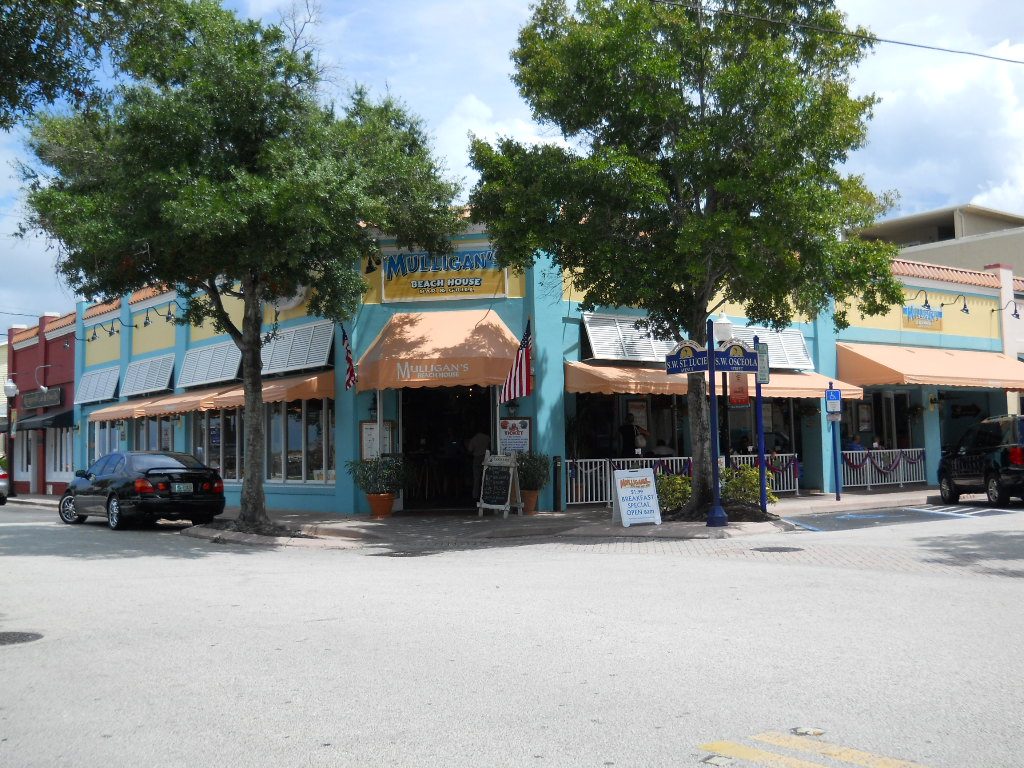
The historic downtown is anchored by the Lyric Theatre, a fixture that has watched the town change around it. Stuart became the seat of the newly created Martin County in 1925, when it was chartered as a city, but the downtown has kept a small-town scale that feels older than its official status. The county courthouse and administrative buildings sit close to the river. The streets between them hold a mix of storefronts and restaurants that serve year-round residents as much as visitors. The city’s role as county seat gives it a weight its size alone wouldn’t suggest.
What Stuart's Demographics Reveal About the Town
The census figures tell a story of a mature, seasonal, and relatively affluent community. The median age is 53.1 years—a population that has either retired here or stayed for decades. Of the 10,360 total housing units, 1,297 are held for seasonal or recreational use, about 12.5 percent. The median home value sits at $291,300, and the median gross rent is $1,540. The unemployment rate is a low 5.1 percent, and the median household income is $64,409. Just over a third of residents—35.8 percent—hold a bachelor’s degree or higher. This is not a transient town. It’s a place where people settle, and where many choose to spend only part of the year.
| Measure | Value |
|---|---|
| Population | 18,058 people |
| Median age | 53.1 years |
| Total housing units | 10,360 units |
| Seasonal or recreational homes | 1,297 units |
| Vacant housing units | 2,165 units |
| Median home value | $291,300 |
| Median gross rent | $1,540 |
| Median household income | $64,409 |
| Bachelor’s degree or higher | 35.8% |
| Unemployment rate | 5.1% |
The Stuart Boat Show: A January Tradition on Dixie Highway
Each January, the Stuart Boat Show takes over NW Dixie Highway for three days. It has run for more than fifty years—the 2027 edition is the 53rd—and the Southeast Tourism Society has named it one of the Top 20 Events in the Southeast. The show ties the town’s boating culture directly to its economy, pulling in dealers, buyers, and browsers who fill the winter calendar. For a town whose identity is built on the water, the boat show is less a festival than a confirmation of what Stuart already knows about itself.
The name, the water, the downtown, the numbers, and the boat show all point the same way. Stuart knows exactly where it is and how it got there. The railroad brought it into being. The water gave it a purpose. The people who live here—full-time or seasonal—keep both in balance. The Sailfish Capital slogan is part of the story, but it’s not the whole story. The whole story is the convergence. Stuart has been living it for more than a century.
Common questions
- What is Stuart, Florida known for?
- Stuart is known as the Sailfish Capital of the World, a title it formally adopted in 1957. It sits where the St. Lucie River meets the Indian River Lagoon and the Atlantic, and its historic downtown includes the Lyric Theatre.
- Why is Stuart called the Sailfish Capital?
- Stuart formally adopted the slogan Sailfish Capital of the World in 1957, reflecting the rich sailfish waters where the St. Lucie River meets the Indian River Lagoon and the Atlantic. The title has stuck ever since.
- When was Stuart founded?
- The town was known as Potsdam from 1893, renamed Stuart in 1895 for Homer Hine Stuart Jr., incorporated in 1914, and chartered as a city in 1925 when it became the seat of Martin County.
- What is the Stuart Boat Show?
- The Stuart Boat Show is a three-day event held each January on NW Dixie Highway. It has run for more than fifty years—the 2027 edition is the 53rd—and is named one of the Top 20 Events in the Southeast by the Southeast Tourism Society.
- What is the median age in Stuart?
- The median age in Stuart is 53.1 years, according to census figures. The population is 18,058, with a median household income of $64,409 and a median home value of $291,300.
- What are the demographics of Stuart?
- Stuart's population is 18,058, with a median age of 53.1. About 35.8 percent of residents hold a bachelor's degree or higher. The unemployment rate is 5.1 percent, and median gross rent is $1,540.
Every business named above is one we hold a listing for, and every date traces to a source on our sources page. We do not describe menus, interiors or service we have not verified. Details change — confirm before you travel.