Guides · Stuart, Florida
Stuart vs Vero Beach: Key Differences for Visitors
Stuart was built by the railroad and the water, and it still works like it—a maritime town with a working waterfront, not a resort backdrop.
How the Railroad and River Shaped Stuart's Identity
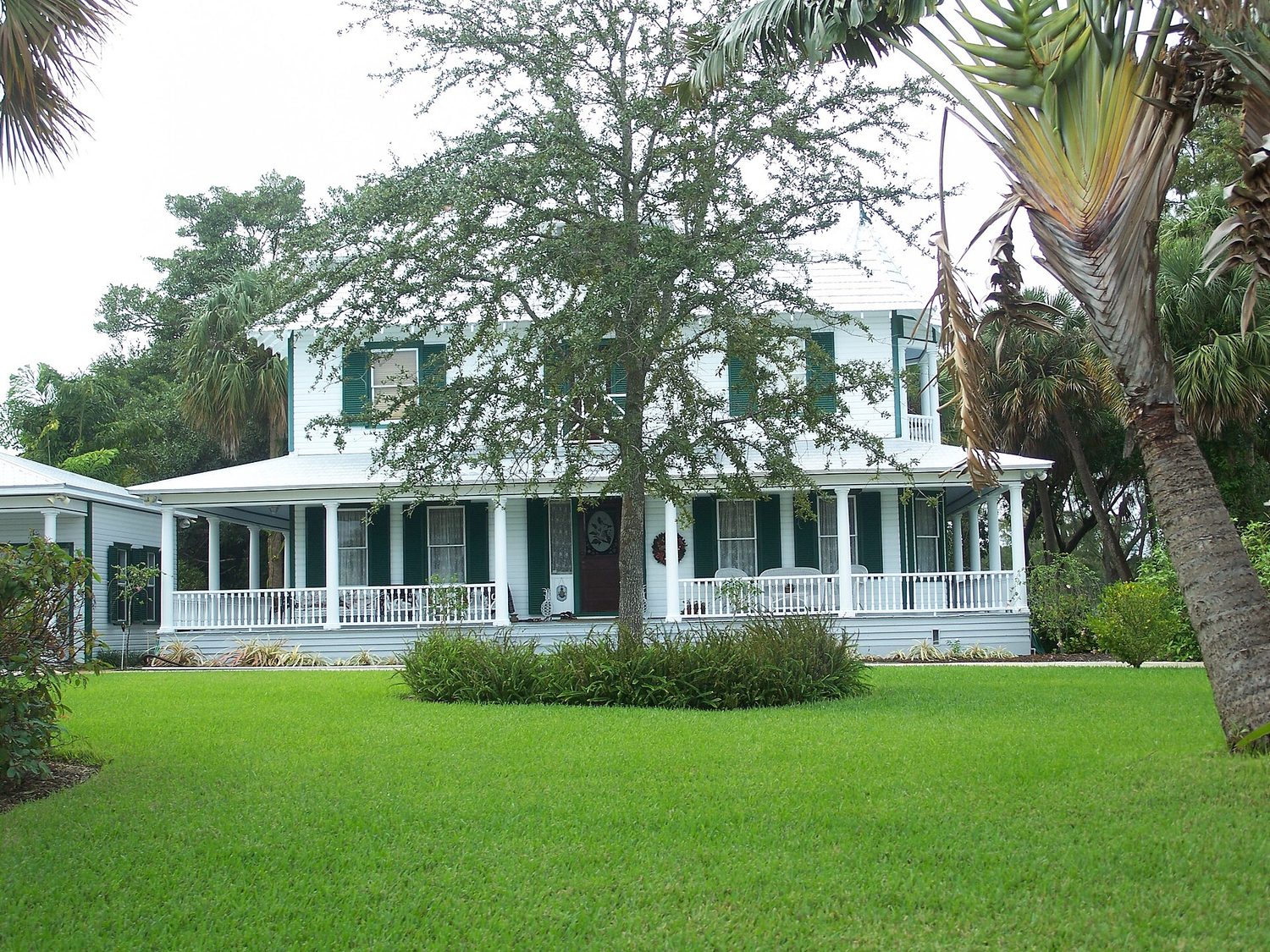
Before the tracks came through, this place was called Potsdam, a name that didn't survive the 1890s. The Florida East Coast Railway arrived between 1892 and 1896, and the town was renamed in 1895 for Homer Hine Stuart Jr., a local landowner who held 160 acres around the railway station. That was the founding act. The water did the rest. At the meeting of the St. Lucie River and the Indian River Lagoon, Stuart found its reason to exist—not as a planned destination, but as a place where goods, fish, and people moved through. Incorporated in 1914 and chartered as a city in 1925 when it became the seat of the newly created Martin County, Stuart grew because it was useful. Vero Beach grew because it was pleasant. That difference still shows.
Stuart's Fishing Heritage vs Vero Beach's Resort Vibe
Stuart formally adopted the slogan Sailfish Capital of the World in 1957. That wasn't marketing fluff; it was a statement about what the town did. The St. Lucie River and the Indian River Lagoon made Stuart a sportfishing hub, and the boats, guides, and tackle shops followed. Vero Beach, by contrast, built its identity around being a planned resort community—a place designed for leisure, with manicured golf courses and beachside estates. Stuart's waterfront is for launching, docking, and fishing. Vero Beach's is for looking at. One is a tool; the other is a view.
Stuart's Population: Working Town vs Resort Community
The census numbers tell a story of a town that people actually live in, not just visit. Stuart's population is 18,058 people, with a median age of 53.1 years. That's not a retirement community; that's a mature workforce. More than a third of residents—35.8 percent—hold a bachelor's degree or higher, and the median household income is $64,409. The unemployment rate sits at 5.1 percent. These are the numbers of a functioning town with year-round jobs, not a seasonal colony that empties out after spring break. Vero Beach, with its stronger pull for retirees and second-home owners, skews older and wealthier on paper, but that wealth often comes from elsewhere. Stuart's income is earned here.
Stuart Housing: Year-Round Homes vs Seasonal Retreats
Of Stuart's 10,360 total housing units, only 1,297 are held for seasonal or recreational use—about 12.5 percent. The rest are homes people live in. That's a critical difference. Vero Beach's housing stock tilts harder toward part-time occupancy, which changes everything from school enrollment to who shows up at city council meetings. Stuart's median home value is $291,300, and the median gross rent is $1,540. Those are real numbers for a working town, not inflated resort prices. Vacant housing units number 2,165, but that's a far cry from a town that shuts down in the off-season. People here own their homes because they work here, not because they're parking money in a beach condo.
Stuart's Boat-Focused Events vs Vero Beach's Social Calendar
Stuart's signature event is the Stuart Boat Show, three days on NW Dixie Highway each January. It's been running for more than fifty years—the 2027 edition is the 53rd—and the Southeast Tourism Society has named it one of the Top 20 Events in the Southeast. That's not a sandcastle contest or a sunset yoga class. It's a marine industry showcase, and it draws people who are serious about boats. The town's calendar revolves around the water and the working marine culture that supports it. Vero Beach's events lean toward the social and the seasonal. Stuart's lean toward the practical and the nautical.
Downtown Stuart's Working Character vs Vero Beach's Polished Districts
The Lyric Theatre sits in historic downtown Stuart, a main street that grew up around the railroad and the river. It's a working town's center, not a resort's backdrop. The shops and restaurants there serve the people who live in Stuart, not just the people passing through. Vero Beach's commercial districts are more polished, more curated, more designed for strolling and shopping. Stuart's downtown has edges. It's the kind of place where a boat broker and a lunch counter share the same block. That's not a criticism; it's a distinction. One town was built to be looked at. The other was built to be used.
| Stuart vs. Vero Beach: Key Differences at a Glance | Stuart | Vero Beach |
|---|---|---|
| Founding identity | Railroad and river port | Planned resort community |
| Waterfront character | Working marine and sportfishing | Beachside leisure and views |
| Claim to fame | Sailfish Capital of the World (1957) | Resort and retirement destination |
| Seasonal housing share | 12.5% of units | Higher share of part-time homes |
| Signature event | Stuart Boat Show (January, 53rd edition in 2027) | Social and seasonal events |
| Downtown feel | Lived-in, working town center | Manicured commercial districts |
The fundamental difference between Stuart and Vero Beach is simple: Stuart is a town that works, and Vero Beach is a place that entertains. Stuart earned its name from a landowner and its identity from the water. The railroad brought it to life, the river and lagoon gave it purpose, and the people who live here—many of them year-round, many of them working—keep it that way. It's not a retirement town and it's not a resort. It's a maritime community with a calendar built on boats, a downtown that feels real, and a waterfront that's still doing its job. Come for the fishing, stay for the town that actually lives here.
Common questions
- What is Stuart, Florida known for?
- Stuart is known as the Sailfish Capital of the World, a title it formally adopted in 1957. It sits where the St. Lucie River meets the Indian River Lagoon and the Atlantic, and the Florida East Coast Railway arrived in the 1890s to put it on the map.
- How did Stuart get its name?
- The town was called Potsdam from 1893 until 1895, when it was renamed for Homer Hine Stuart Jr., a local landowner who held 160 acres around the railway station. It incorporated in 1914 and became a city in 1925.
- Is Stuart a good place to retire?
- With a median age of 53.1 years and 12.5% of housing units held for seasonal or recreational use, Stuart attracts retirees and snowbirds. The median home value is $291,300 and median gross rent is $1,540, so it's not cheap but it's a settled coastal town.
- What's there to do in Stuart's historic downtown?
- The Lyric Theatre anchors the historic downtown. The Stuart Boat Show, held each January on NW Dixie Highway, has run for over fifty years—the 2027 edition is the 53rd—and was named a Top 20 Event in the Southeast by the Southeast Tourism Society.
- How does Stuart compare to Vero Beach?
- Stuart is smaller, with a population of 18,058 versus Vero Beach's larger base. Stuart's median household income is $64,409, and its unemployment rate is 5.1%. Both are coastal, but Stuart sits at the river-lagoon-ocean junction, which shapes its boating culture.
- What are the demographics of Stuart?
- Stuart's population is 18,058, with a median age of 53.1 years. About 35.8% of residents hold a bachelor's degree or higher. The median household income is $64,409, and the unemployment rate is 5.1%.
Every business named above is one we hold a listing for, and every date traces to a source on our sources page. We do not describe menus, interiors or service we have not verified. Details change — confirm before you travel.